

Angel Cam Scene 3 FLY ANGEL SOUL
“Inspired by the words of Meister Eckhart, “let us pray to God that we be empty of God, and that we rejoice in the everlasting truth in which the highest angel and the soul and the fly are equal,’ ‘FLY ANGEL SOUL’ transports viewers into a world where spirituality, love, and technology converge.
The story unfolds as a devoutly Catholic mother, drawn by this enigmatic quotation in her estranged son’s diary, envisions an alternate past. In this vision, she is present when her son, Sebastian, receives his AIDS diagnosis at the height of the epidemic. Employing cutting-edge technologies, the film invites us to explore the tension between the constraints of the physical world and the human pursuit of something greater.
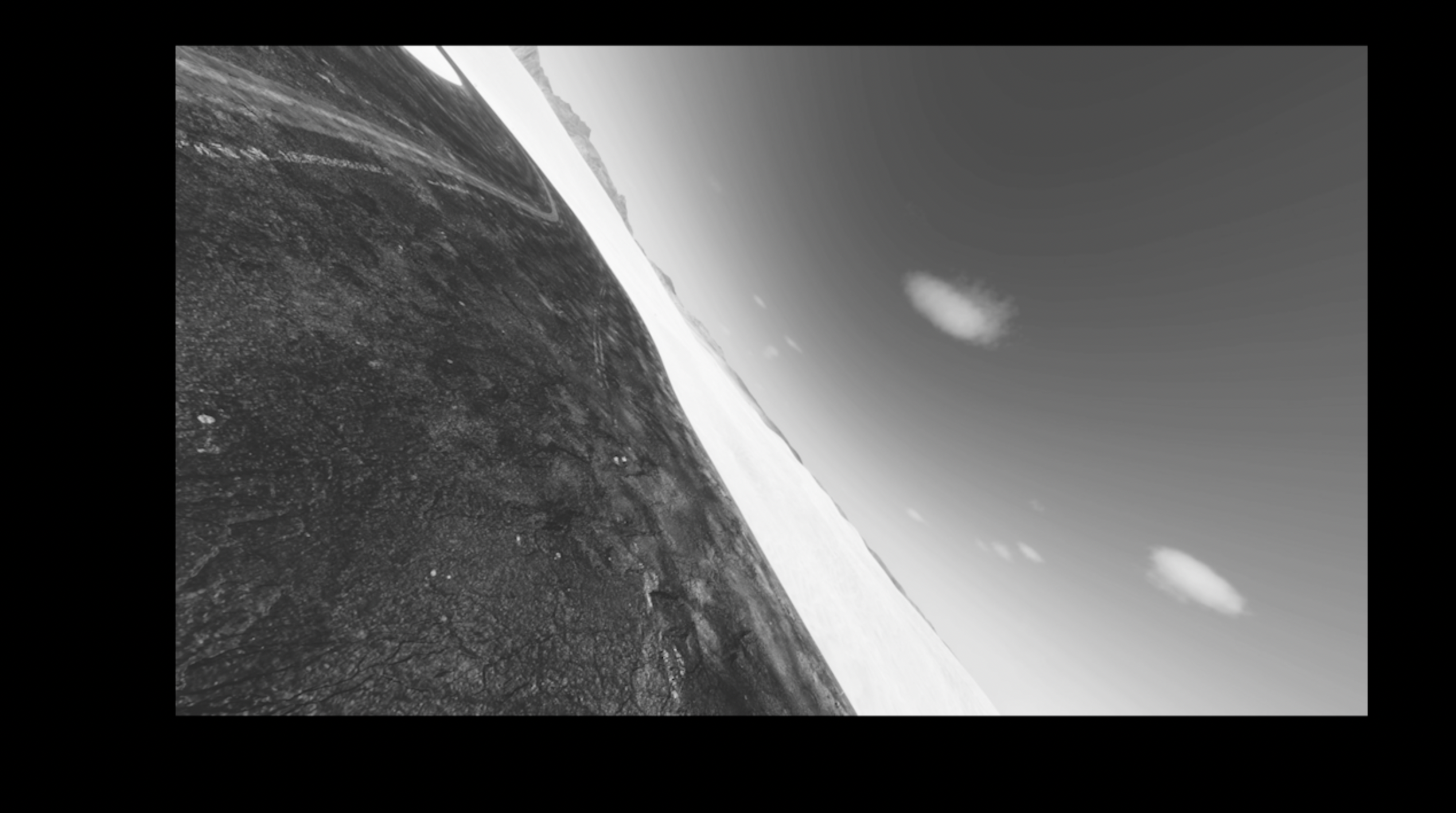
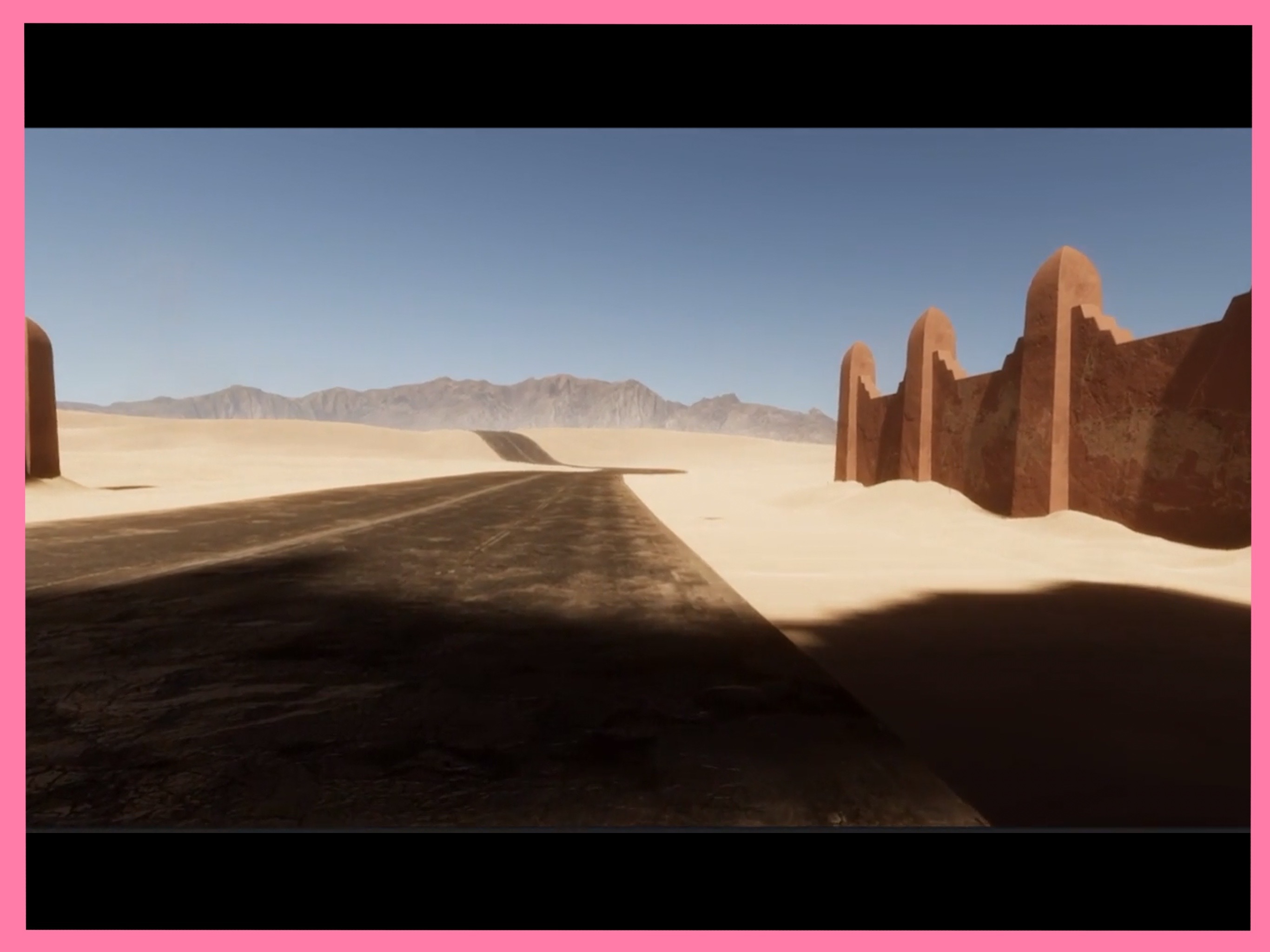
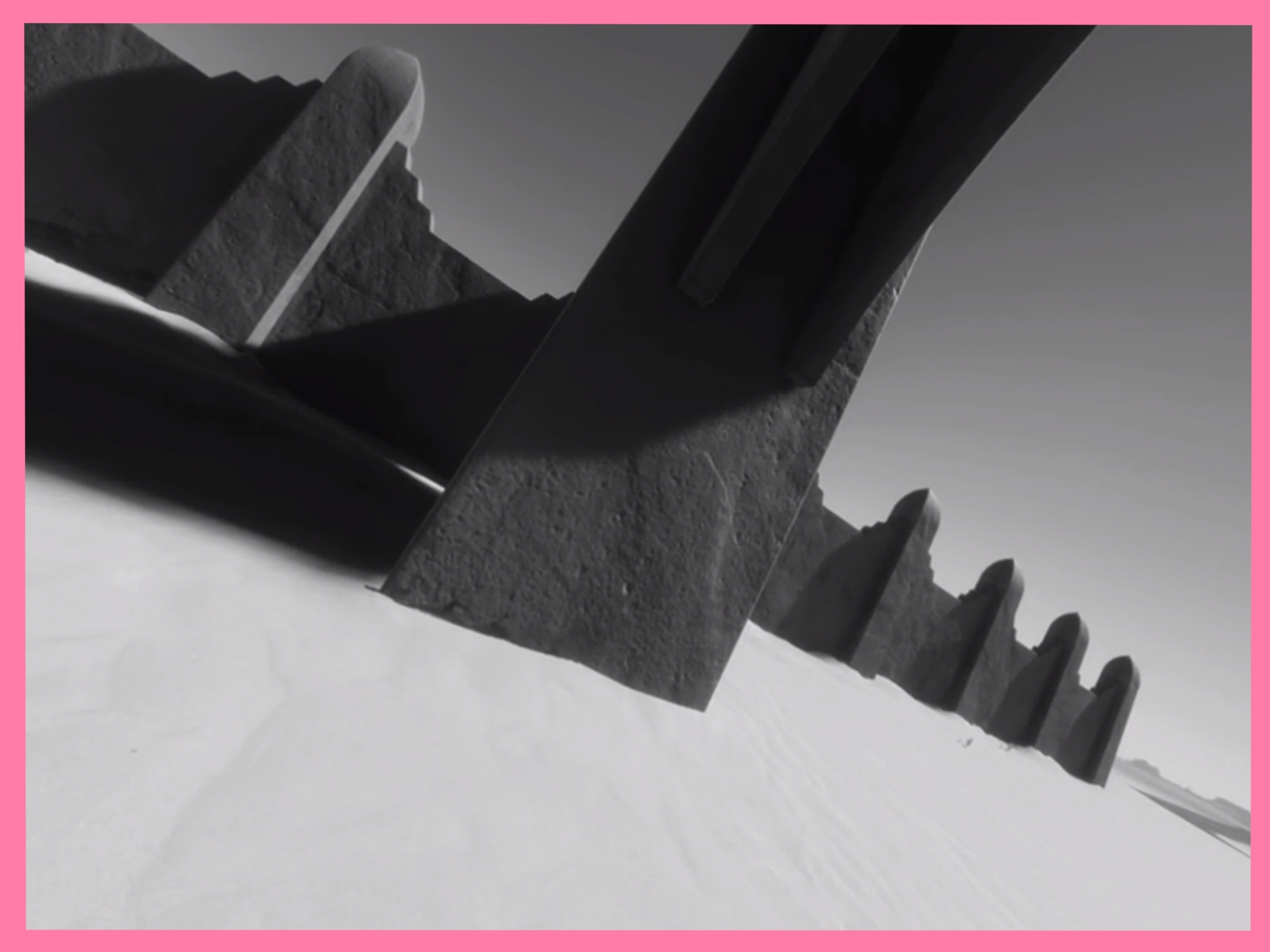
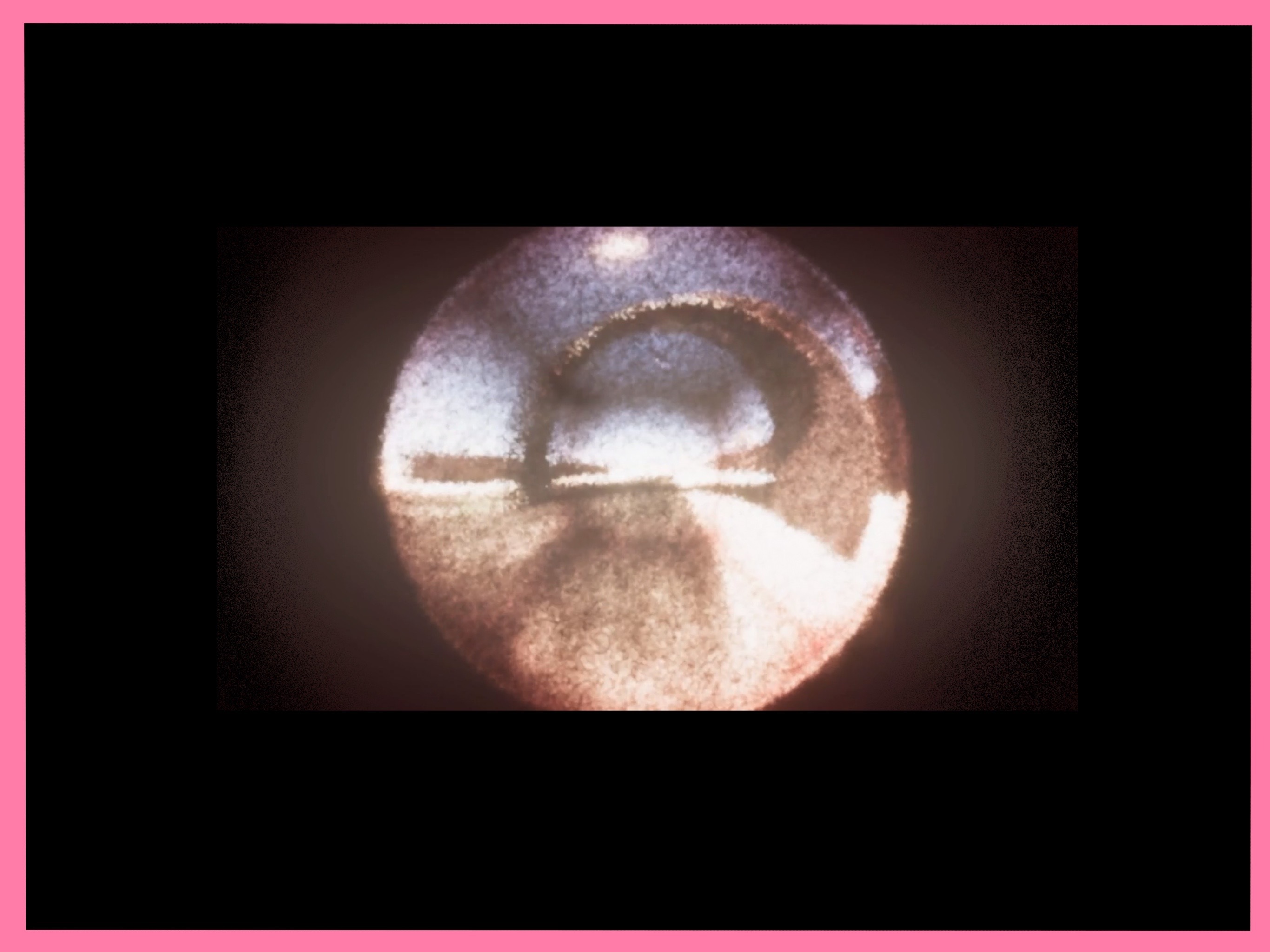
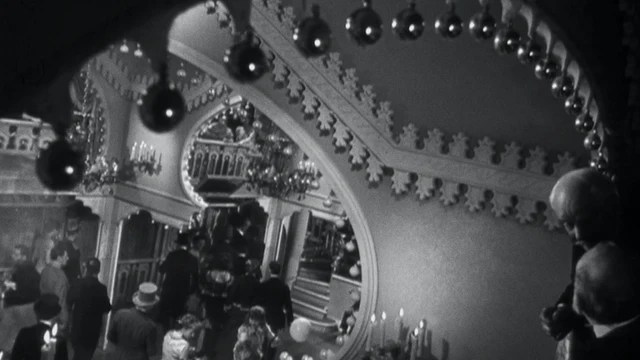
‘FLY ANGEL SOUL’ introduces us to a groundbreaking narrative approach through three distinct eponymous virtual cameras: fly, angel and soul, each offering a unique perspective. This isn’t traditional cinema; it’s a journey into the uncharted territory of computer-encoded viewpoints and the unscripted depths of the human heart. The ‘soul cam,’ masterfully embodied by Clémence Debaig, a choreographer, dancer, and creative technologist, who “plays” the role of Sebastian’s mother, acts as a cinematic avatar, allowing viewers to actively participate in the narrative., as she navigates a world where past and present intertwine.
With FLY ANGEL SOUL, we utilize virtual production methods to radically alter the process of filmmaking. Here, liveness rests as much in how Debaig responded to the mis-en-scene (spatial sound, captured performance, architecture, lighting, and objects) as it changed in real-time as in the actors’ performance (captured prior to filming with volumetric video). This sense of liveness is augmented by Jarrah Gurrie’s dynamic editing.
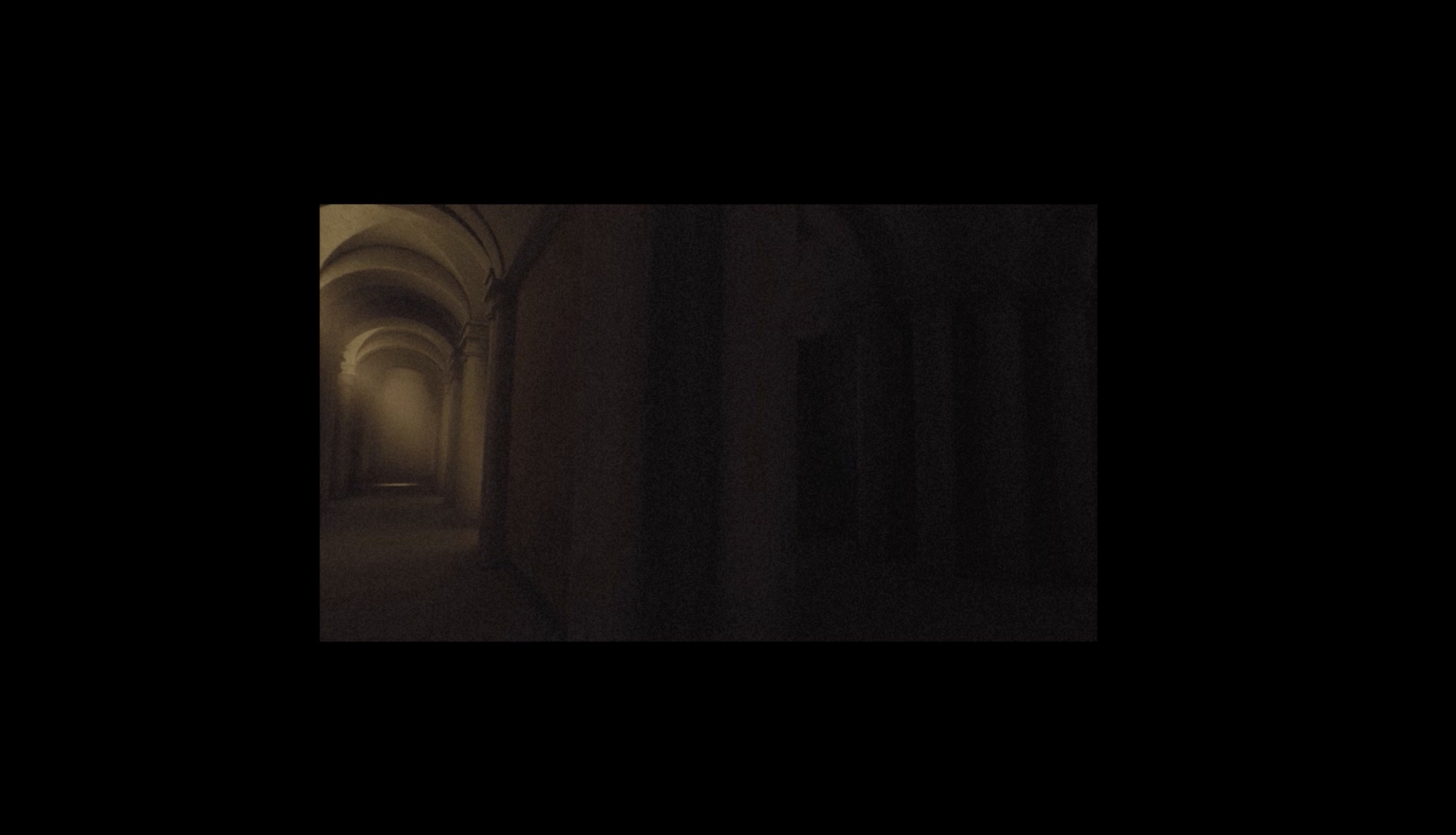
Soul Cam scene 2
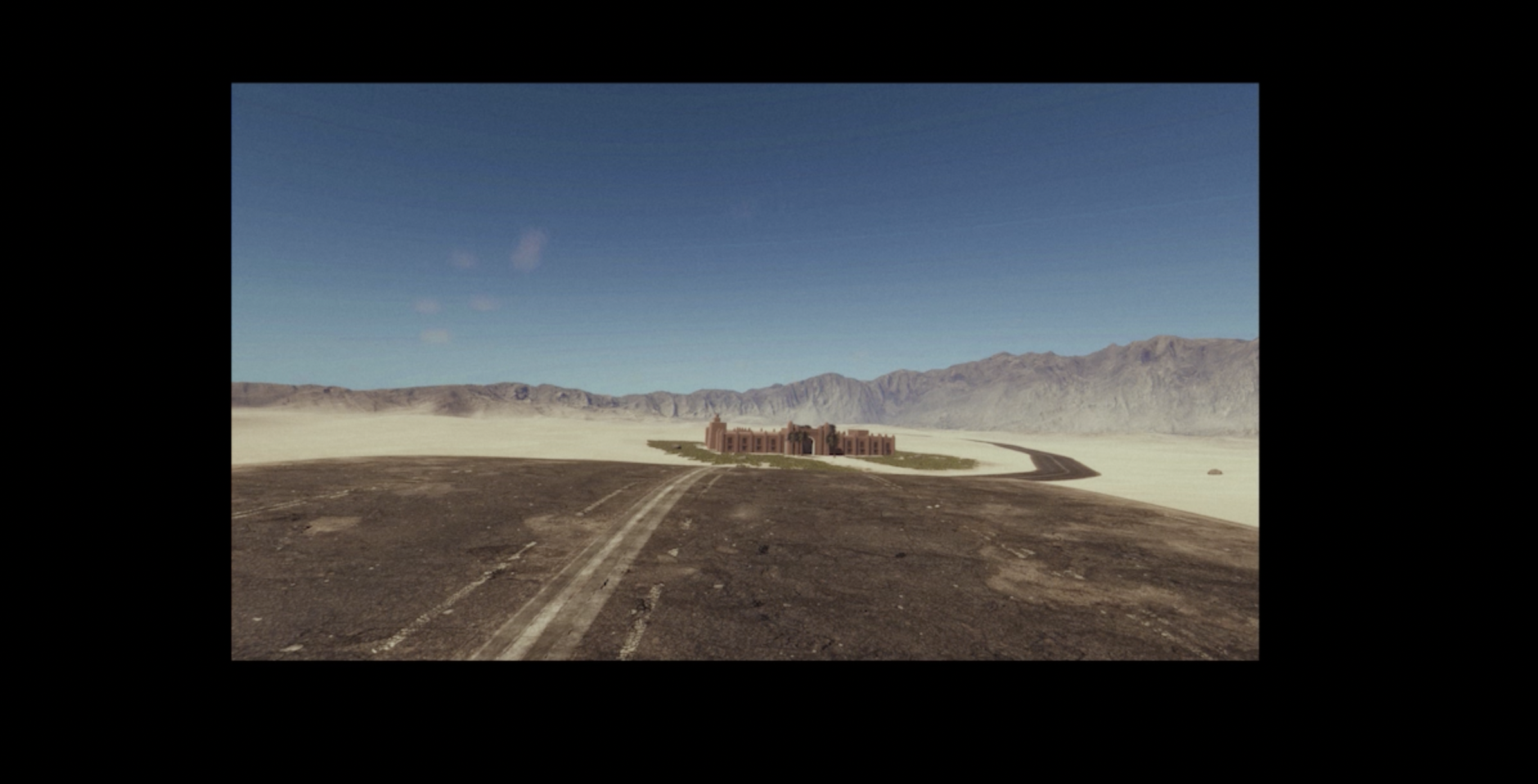
Soul Cam perspective Scene 1
Incorporating an immersive first-person perspective and weaving in audio monologues drawn from Sebastian’s fragmented diary entries and those who shared his life, viewers are not just spectators but integral participants in the narrative. Together, yet maintaining our individual viewpoints, we delve into the themes of human suffering, love, and faith. Meticulously designed scenes guide us through a dynamic journey, shifting from expansive computer-generated landscapes to intricately hand-painted cathedral-like interiors. These transitions parallel Sebastian’s impending diagnosis and the consequent erosion of his freedom, mirroring our own progression from discovery to intimate engagement.

Fly cam perspective Scene 1
In a pivotal moment, The Doctor challenges Sebastian’s self-condemning logic, setting the stage for a powerful transformation. As our story culminates, an initially imposing interior yields to the embrace of nature. The sun’s harsh glare softens into a starlit night sky, symbolizing both Sebastian’s realization that he, too, is worthy of love and the realization of his mother’s provocative assertion that her son has “returned to God.”
Angel cam perspective Scene 1

 Illya Szilak